




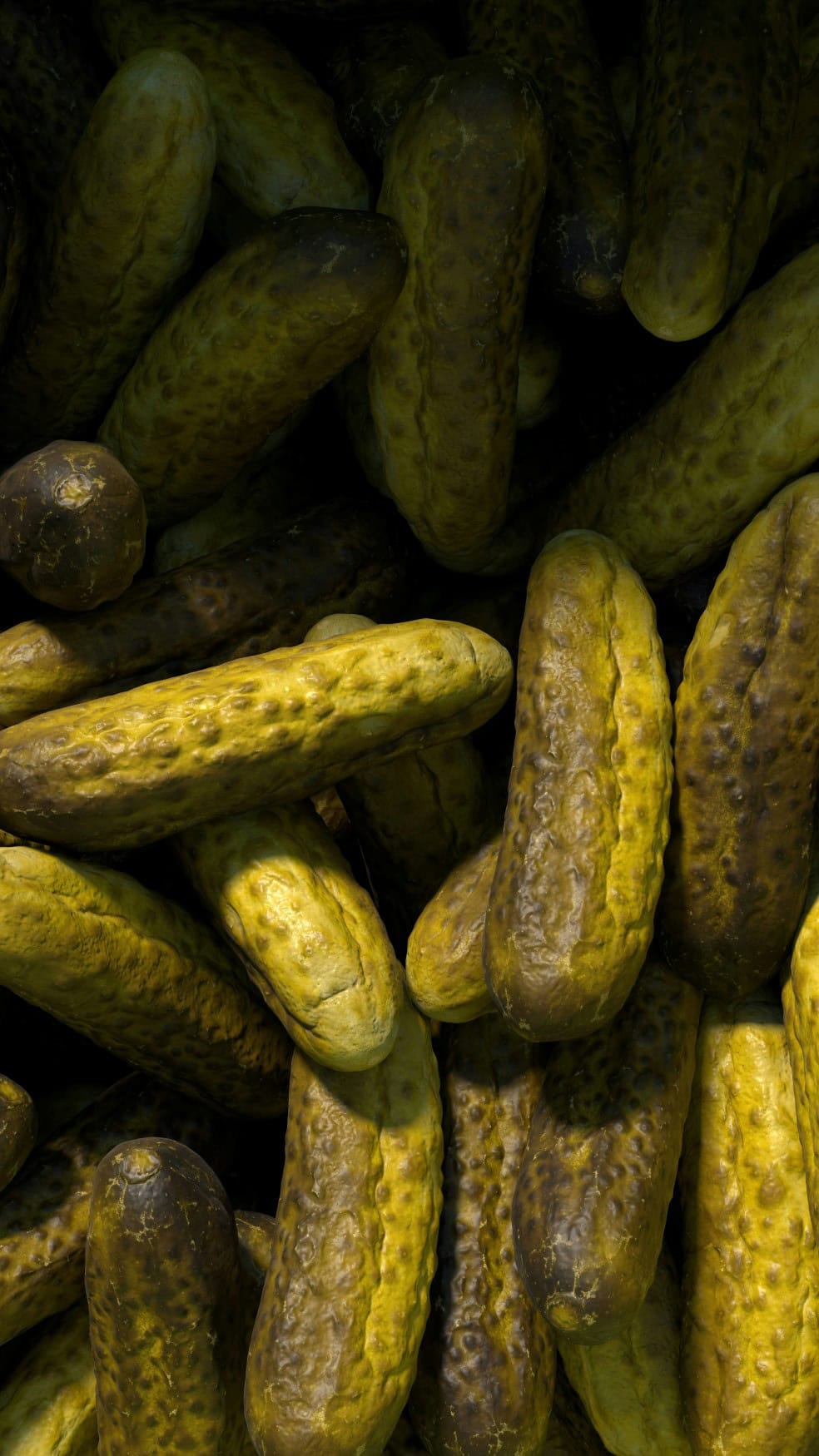
Every couple of years, the internet triumphantly discovers something Germans have been quietly doing since roughly the invention of the jar, and declares it a revolution. This year, the world’s hottest new food trend is the pickle. Yes. The Gewürzgurke. The knobbly little cucumber your average German Oma has been fishing out of a jar with a fork since the Adenauer era.
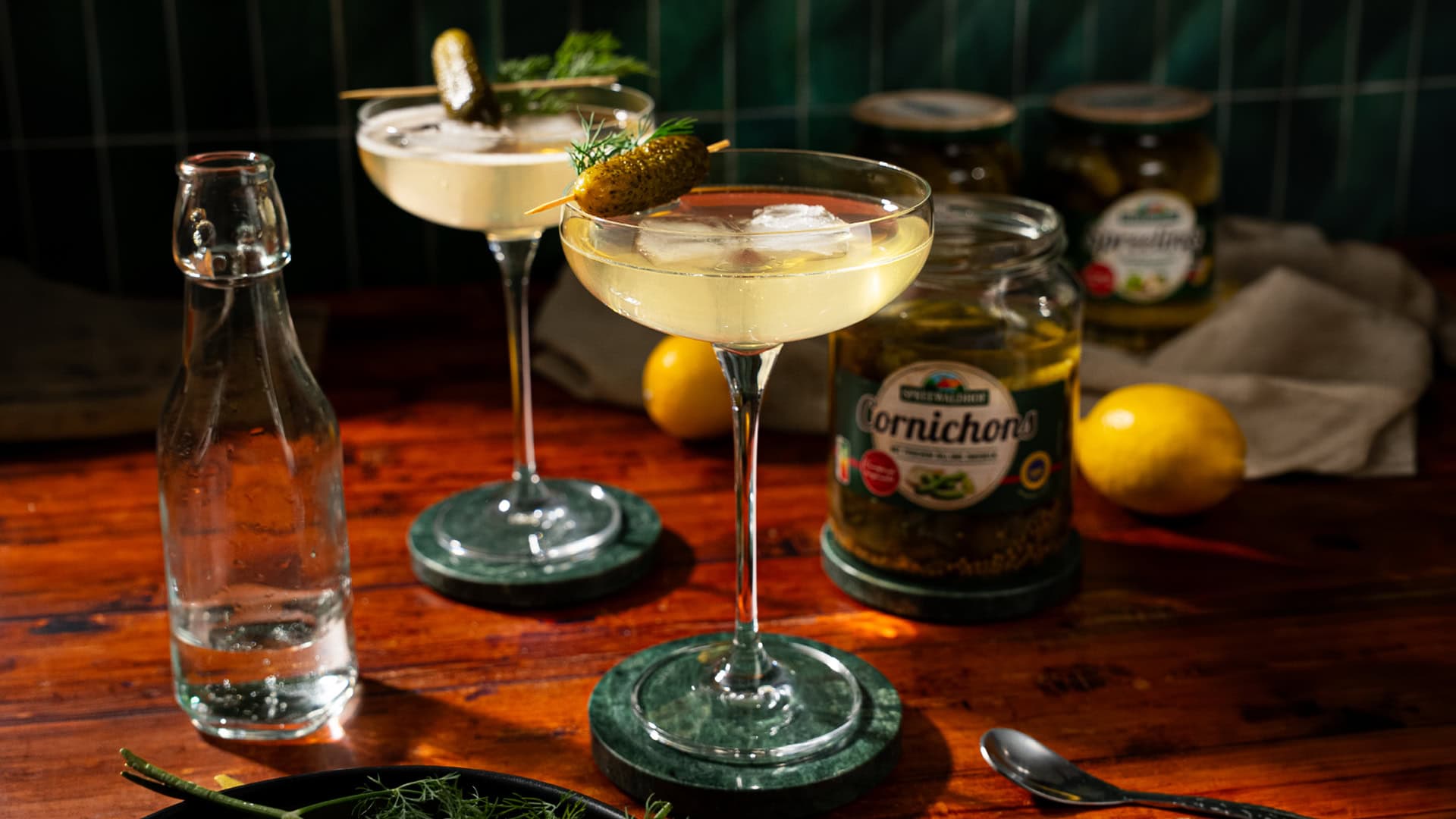
Somewhere between a TikTok algorithm and a very bored bartender, the humble pickle went global. There are pickle burgers. There is the pickle martini. There is, and we regret to inform you this is real, pickle ice cream. Athletes are now drinking pickle juice as a post-workout electrolyte shot, which means the same brine your grandfather poured down the sink is now a performance beverage with a marketing budget.
The world thinks it invented this. It did not. It just found the jar.
The pickle capital nobody told you about
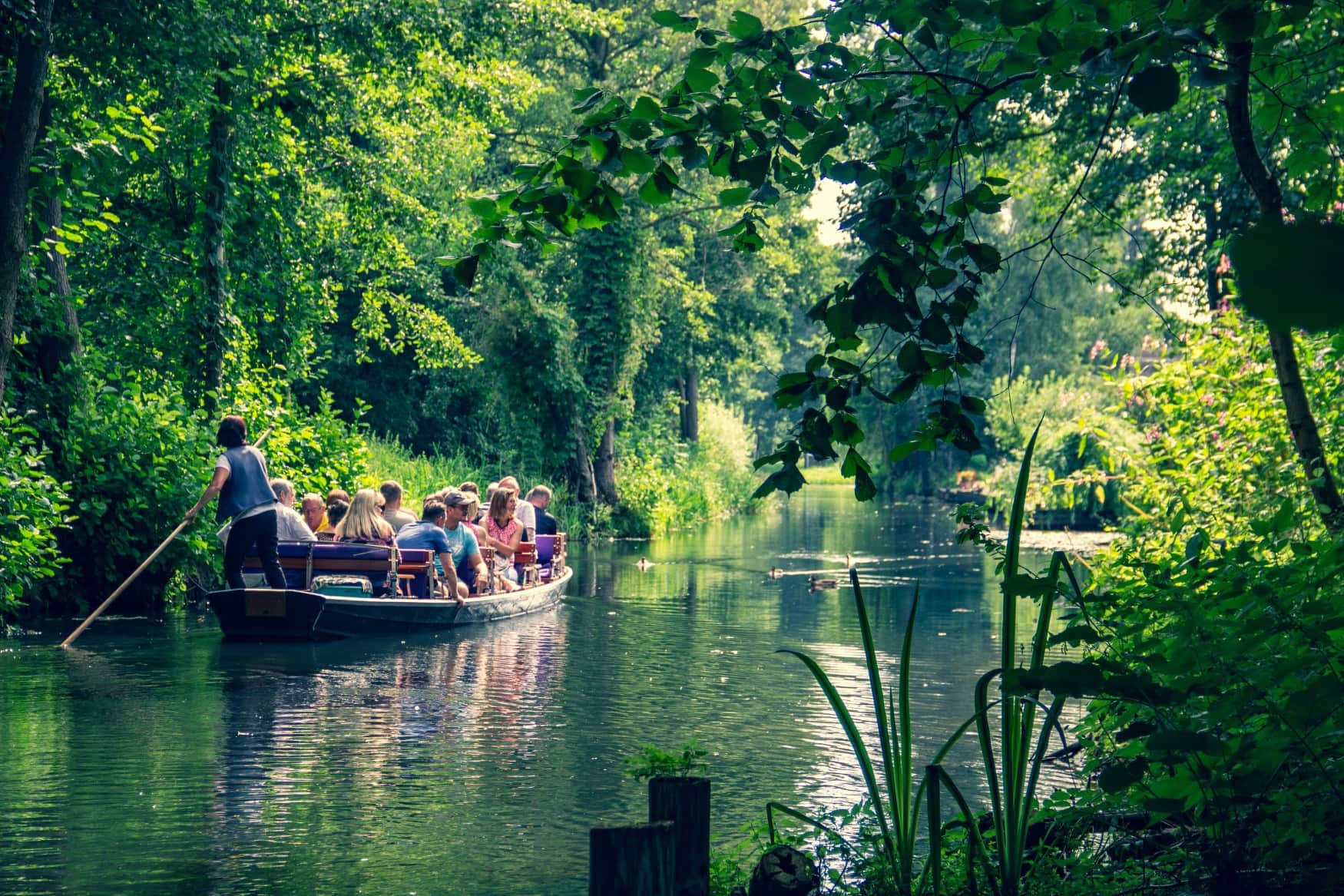
While the internet was busy filming itself eating gherkins for millions of views, one corner of Germany has been running the entire pickle operation for centuries: the Spreewald, a maze of little waterways an hour southeast of Berlin. This is not a place that recently got into pickles. This is the place. Cucumbers have been grown and jarred here for generations, following recipes so traditional that some of them are officially secret.
The credentials are almost annoyingly legitimate:
- The name “Spreewälder Gurke” has been an EU-protected designation of origin (g.g.A.) since 1999, which is more paperwork than most influencers will ever do for a snack.
- The cucumbers mostly have to come from the Spreewald region itself and go from field to jar the same day, “erntefrisch,” while the world’s newest pickle brands are still workshopping their logo.
- They are layered in with fresh dill and fresh onions using recipes passed down like family heirlooms.
- Short transport routes, real regional origin, actual tradition. Not a rebrand. A birthright.
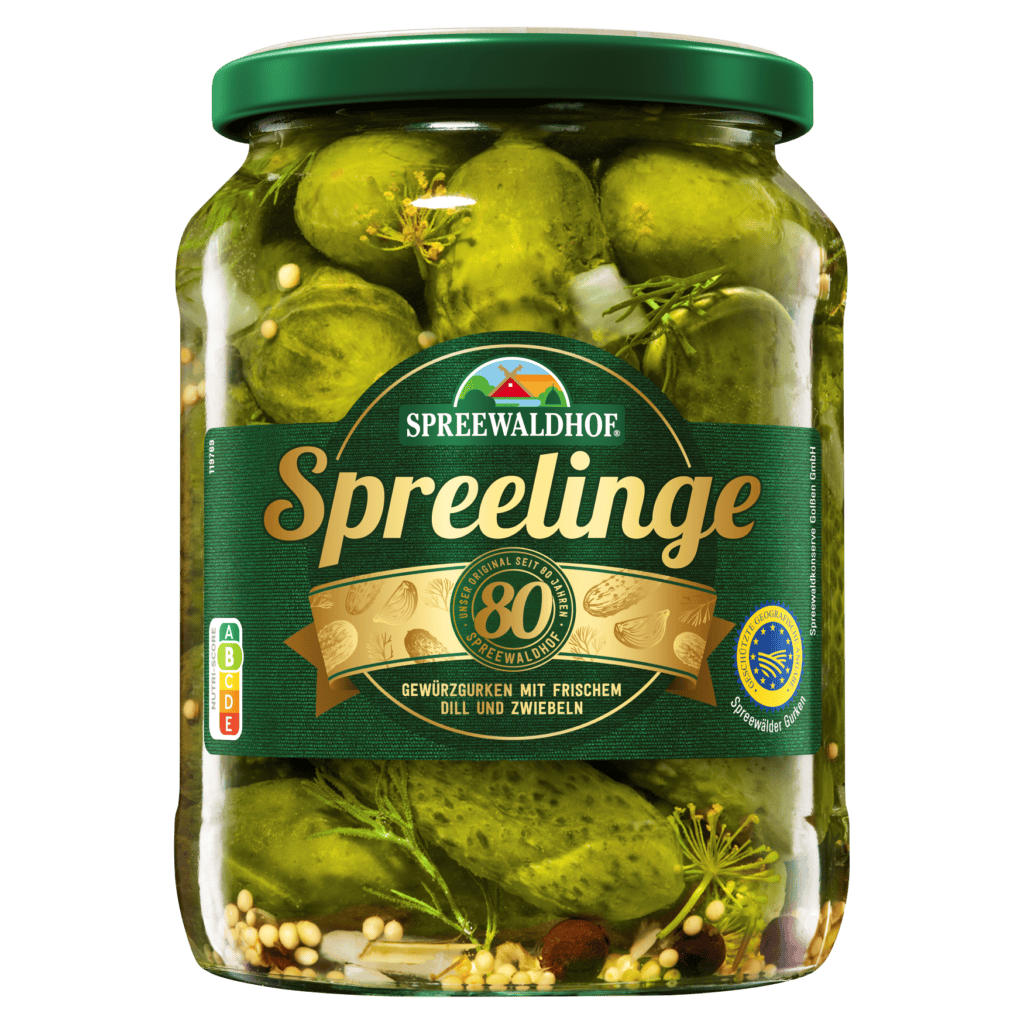
And leading the pack is Spreewaldhof, which this year is turning a very confident 80 years old. That is 1946, for those keeping score. This brand was jarring cucumbers before Germany had a football World Cup, a Wall, or a reason to take one down.
Meet Gurki, the most German mascot ever conceived
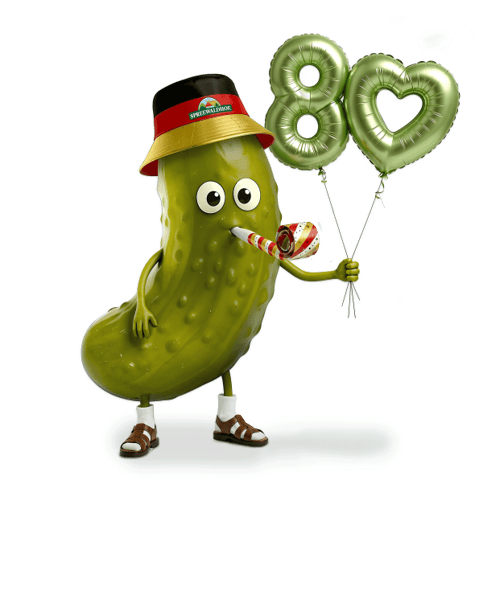
To celebrate eight decades, Spreewaldhof did the only sensible thing and gave itself a cartoon pickle. His name is Gurki, and he is, without exaggeration, a national stereotype in vegetable form. Gurki wears a fisherman’s hat in black, red and gold. He wears white tennis socks. He wears sandals. With the socks. He is what would happen if the German flag went on holiday to a garden center and never fully recovered.
Gurki is Spreewaldhof’s first-ever brand ambassador in 80 years, which suggests the company spent nearly a century deciding whether the world was ready. It was not. It got him anyway.

How to join the party (and get a towel out of it)
Here is where it goes full German efficiency. From August 1 to October 31, 2026, anyone who buys three jars of Spreewaldhof pickles and uploads their receipt gets a limited, personalizable anniversary towel. Because nothing says “80 years of cucumber excellence” like organized, receipt-based reward logistics and a nice bit of terry cloth.
There is also a special jubilee edition, the Spreelinge, in commemorative design for a very reasonable 2.59 euros. Small, green, historic. A collector’s item you can also eat.
The takeaway
So while the rest of the planet acts like it just unlocked the pickle, Germany would like to gently point out that it has been at this for 80 years, has the protected-origin paperwork to prove it, and has already given the concept a mascot in socks and sandals. The pickle-juice-drinking athletes and the pickle-martini crowd are welcome. They are just a few generations late to the jar.
Germany’s newest worldwide success, ladies and gentlemen. It was in the fridge the whole time.