




Easter is just around the corner, bringing with it the season of spring and the holidays. But year after year, we find ourselves asking: Why do we celebrate Easter at all, and what’s behind all the Easter traditions in Germany? So here, at last, are all the key facts about Easter. Hooray!
Why Is Easter Celebrated?
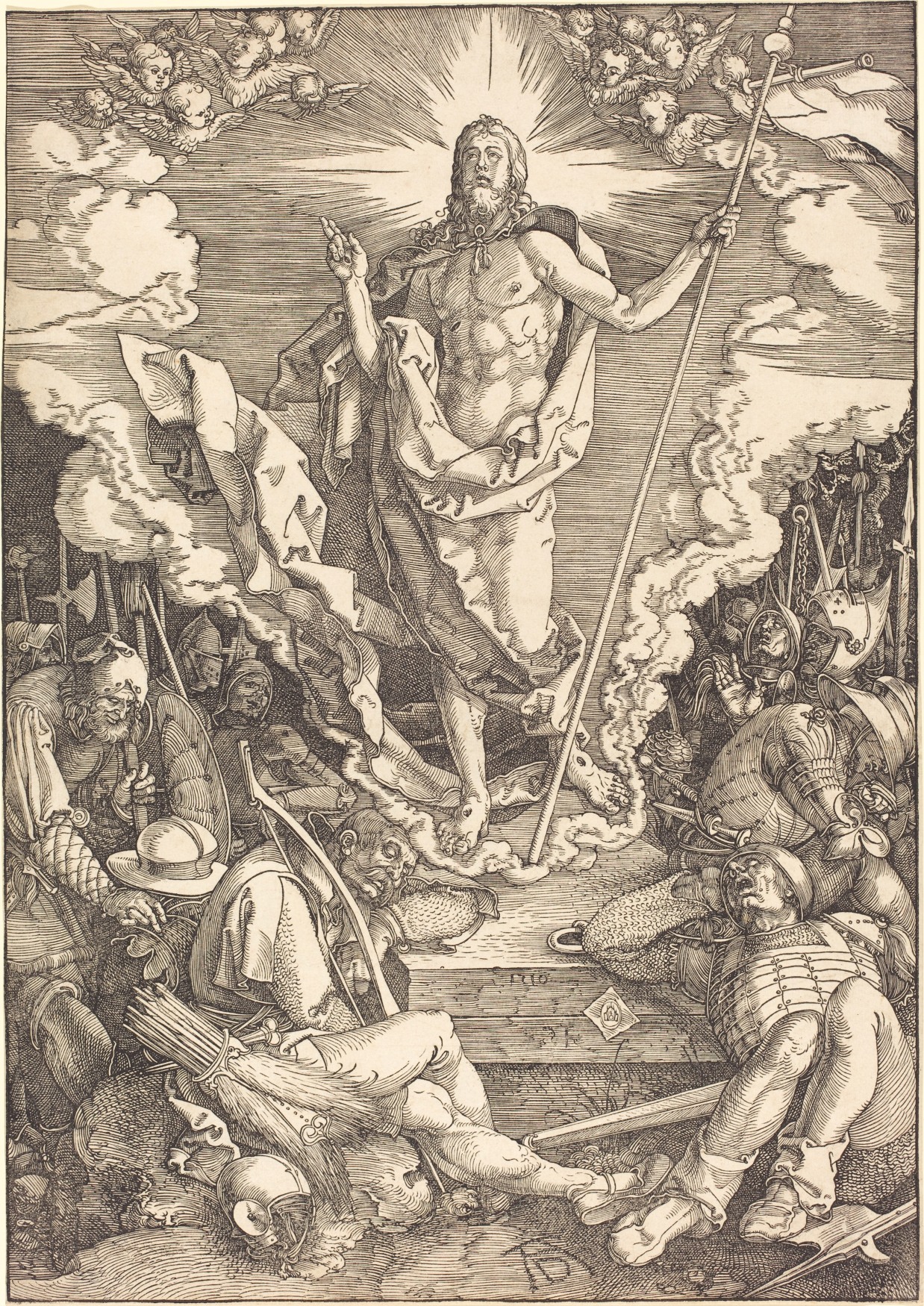
Easter, as we celebrate it today, is a Christian holiday. In the church calendar, it actually holds greater significance than Christmas. Christians believe that Jesus Christ was crucified and rose again on the third day—exactly the span of the Easter weekend from Good Friday to Easter Sunday. At its core is the message: “Death is not the end; in God, people find new life.”
Today, however, many people in Germany associate Easter more with the Easter Bunny, egg hunts, and fire-related customs. Not surprising, since eggs, hares, and fire have symbolized fertility, light, and renewal in many cultures. The egg, as a symbol of life, existed long before Christianity and later became a symbol of resurrection. Easter bonfires likely combine ancient spring fires with the Christian idea of Christ as the light of the world.
When is Easter?
Easter falls on a different date each year. Sometimes Easter Sunday is in late March, sometimes almost in May. The reason is the lunar calendar. According to the rule used by churches today, Easter falls on the first Sunday after the first full moon of spring. Spring is considered to begin on March 21. This results in a date range between March 22 and April 25. The calculation is linked to the Jewish festival of Passover, which is also based on a lunar calendar.

Many other religious and public holidays in Germany are tied to Easter. Ascension Day, for example, takes place exactly 40 days after Easter Sunday, and Pentecost Sunday exactly 50 days after. Even the movable date of Carnival is connected to Easter, since Ash Wednesday—and thus the end of the festive season—falls 46 days before Easter Sunday. You never stop to learn.
The Easter Holidays in Germany
Which days do we actually consider Easter? In Germany, only Good Friday and Easter Monday are official public holidays, so most people think of Easter as the long weekend from Friday to Monday. In the church calendar, however, Easter begins on Easter Sunday—or more precisely, during the night from Saturday to Sunday.
The week leading up to it is known as Holy Week. It runs from Palm Sunday—the Sunday before Easter—through Holy Saturday. This week also includes Maundy Thursday and Good Friday. In the church year, the Easter season continues until the Sunday after Easter, known as White Sunday. Originally, Easter lasted the entire week but became shorter over time. Easter Monday is a remnant of that longer celebration and remains a public holiday.
Easter Eggs and the Easter Bunny
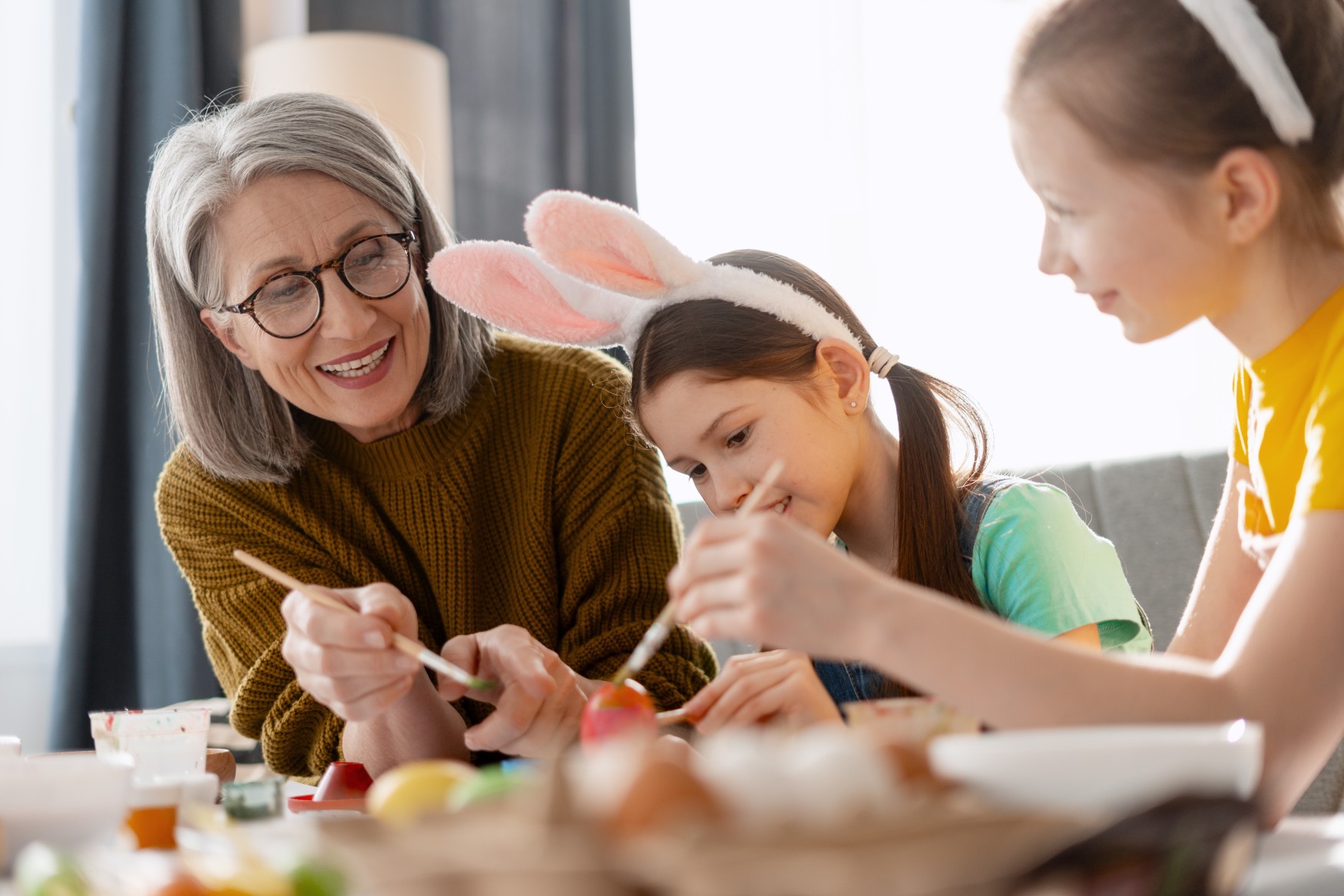
In Germany, the first thing many people think of when they hear “Easter” is eggs. They are dyed, painted, hidden, and eaten in large quantities. The background is quite practical: during Lent, the consumption of animal products was forbidden according to church tradition, but chickens kept laying eggs. The surplus eggs were boiled, dyed, and then eaten or given away after Easter. At the same time, the egg took on a theological meaning as a symbol of new life.
Easter eggs as gifts are well documented from the Middle Ages, and egg hunts as a game have been around since the early modern period. After children (or adults) find the colorful treats, another tradition follows in some regions: egg tapping. Two people knock their hard-boiled eggs against each other, and the winner is the one whose egg remains intact. This custom has been documented in German-speaking regions since the 19th century, though it is likely older. Similar traditions include egg rolling, for example in Saxony or East Frisia.
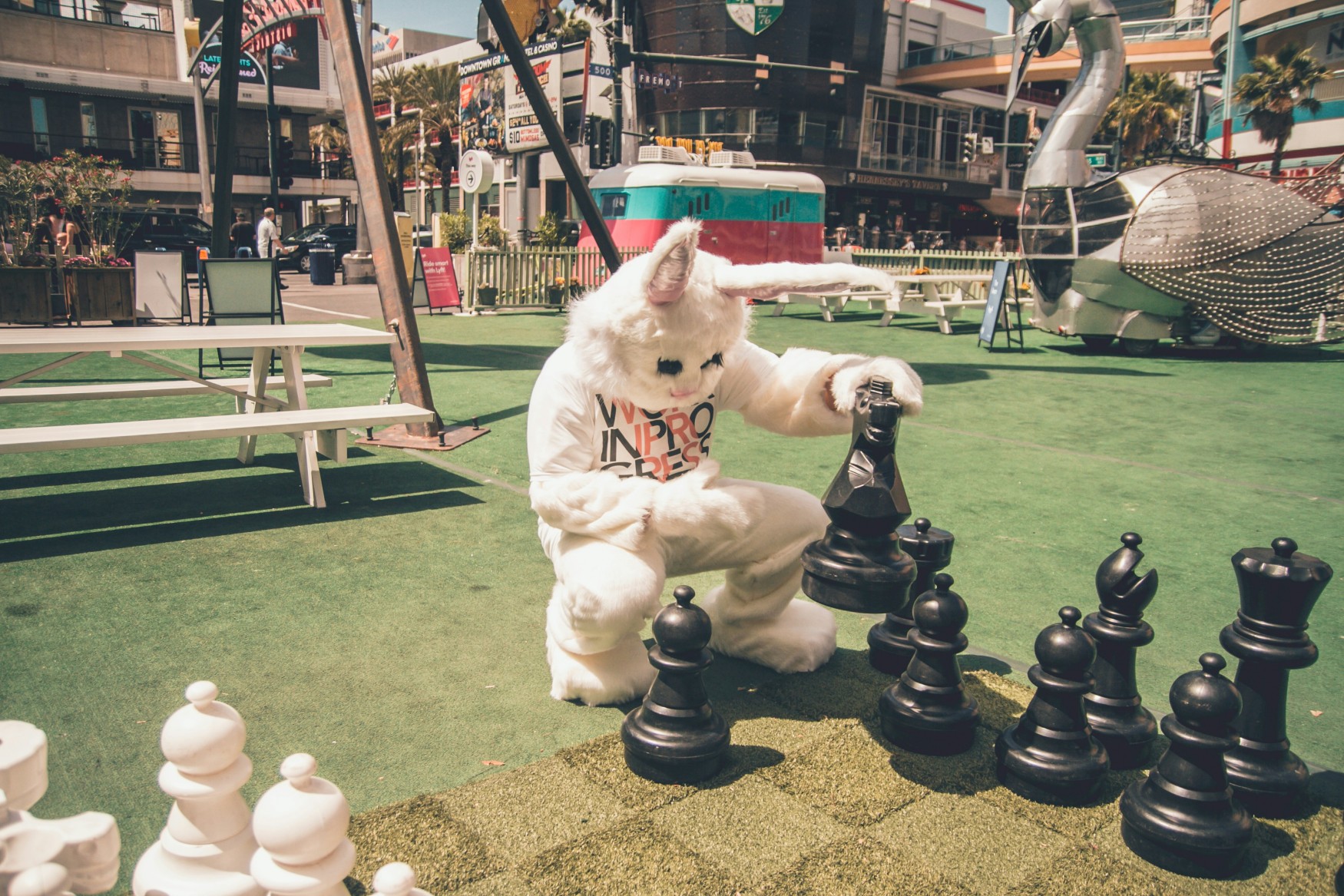
Why the bunny, of all animals, brings the eggs is only partly understood. Written sources mention it as an egg-bringer in certain regions as early as the 17th century, probably because of its symbolism of fertility and its presence in spring. Today, however, the Easter Bunny is inseparably linked to Easter for many people—sometimes even more than the original Christian meaning.
Easter Fires and Burning Wheels
Careful, things are heating up: especially in the north and west of Germany, as well as in parts of eastern Germany and Bavaria, no Easter weekend goes by without a proper Easter bonfire. These are traditionally lit on Holy Saturday or Easter Sunday in many small and mid-sized towns. The evening around the fire can range from relaxed social gatherings to full-on revelry with the local youth. The exact origins of the custom aren’t fully documented, but it likely goes back to ancient spring fires that were later reinterpreted as a symbol of the risen Christ. During the Easter Vigil, churches also light the Easter candle from such a fire.
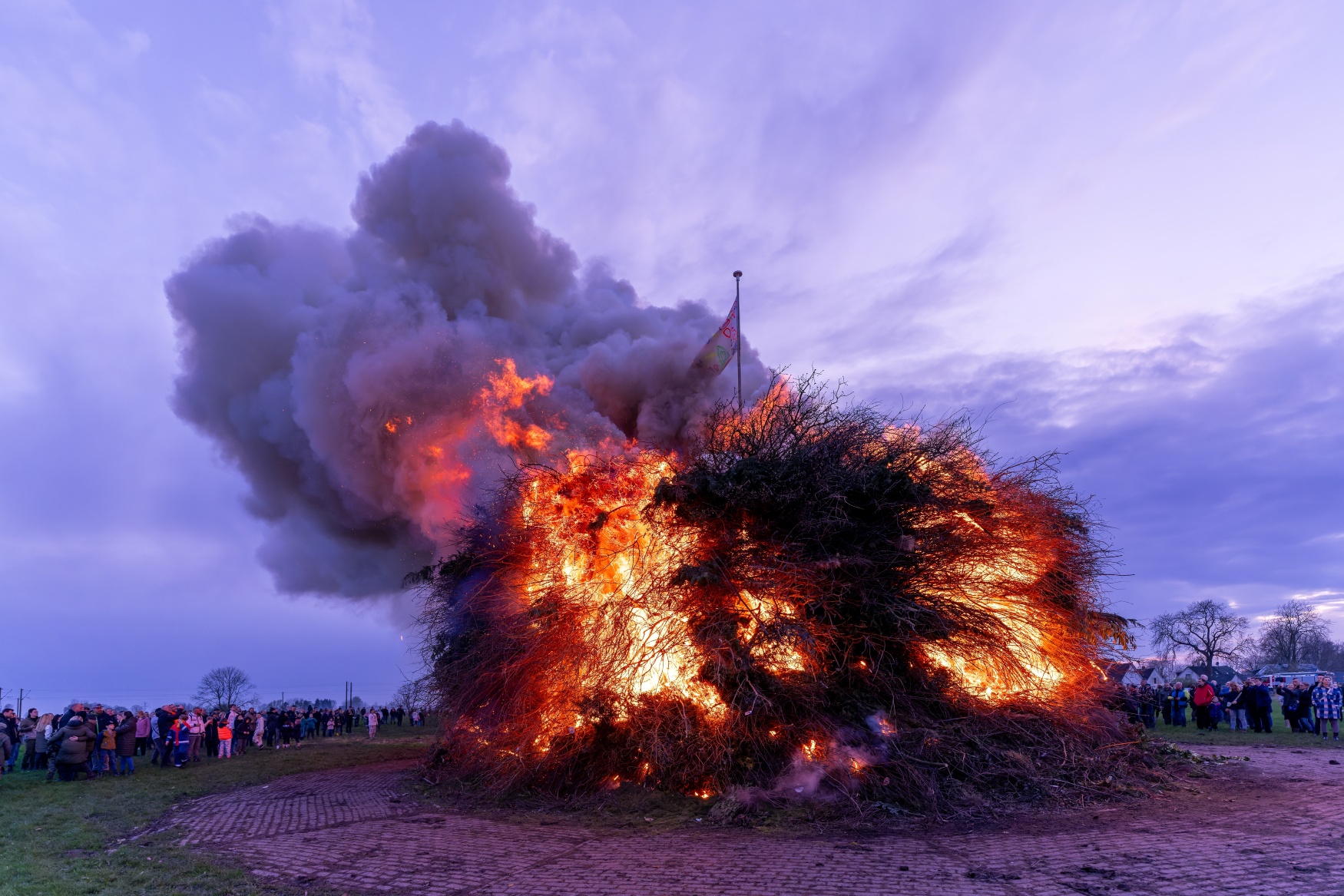
In some places, it’s not just a large bonfire that marks the weekend. In Lügde, in North Rhine-Westphalia, for example, huge wooden wheels are packed with straw, set on fire at nightfall, and then rolled down a hillside while burning. And in Attendorn, in the Sauerland region, four several-meter-high wooden crosses are erected on the hills surrounding the town—known as the “Köppen”—and then set ablaze. Pretty intense.
What’s on the Table in Germany at Easter?
Easter is a time for serious feasting—tradition and appetite are very much in agreement here. Three dishes in particular define the holiday.
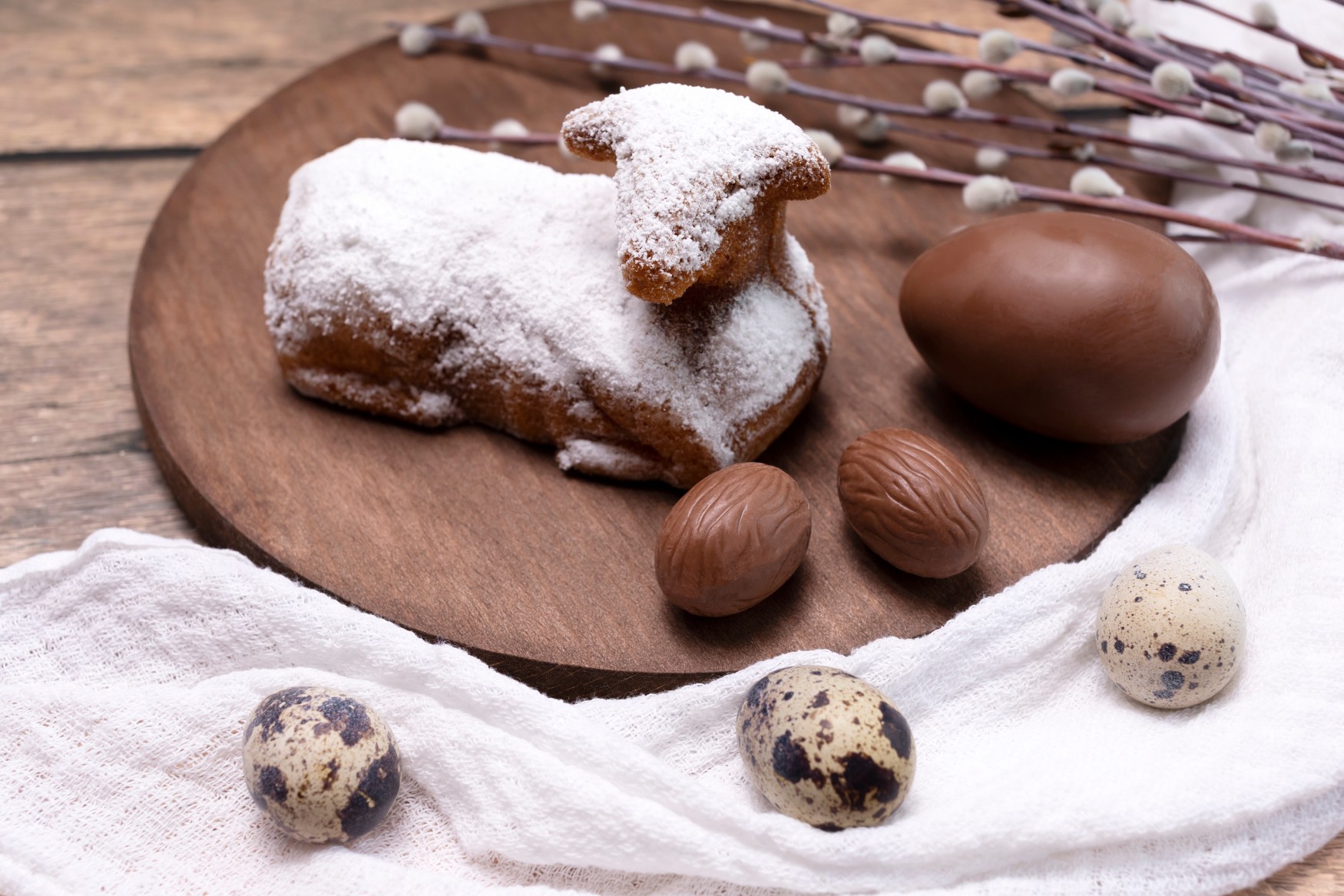
Easter lamb plays a dual role in many regions: as a roast served at lunch and as a sponge cake shaped like a lamb for the coffee table. Both connect to the biblical idea of the Lamb of God and mark the transition from the fasting period to more indulgent meals. Especially in the south, the baked Easter lamb is dusted with powdered sugar and is sometimes even blessed before being cut.
Fish on Good Friday is less about folklore and more about church-influenced food traditions. The day is traditionally observed as one of fasting and abstinence, when meat is avoided but fish is allowed. Many families therefore have fixed Good Friday dishes, ranging from simple pan-fried fish with potatoes to regional classics like pickled herring or cod. Even in more secular households, fish on the Friday around Easter has remained a quiet staple.
Easter bread brings together religious tradition and the cheerful spirit of spring. The slightly sweet yeast dough—often enriched with raisins, almonds, or lemon zest—is baked as a loaf or a braided bread, sometimes blessed during a church service and then shared at a family breakfast. In southern Germany, Easter bread is almost a must-have on the holiday table, while in other regions it appears alongside other sweet options like braided yeast bread or an Easter wreath.